
The usual fixes, and what each one costs
Price a failed report
Describe the findings you were given and we will price what we can.
Cost table for the usual findings
Each line starts with what the report says, then the fix and its price. Prices come from our published list; lines marked 'priced on site' or 'quoted after we measure' depend on the size and condition of your chimney.
- Water stains indoors near the chimney: leak traced and sealed, $600 to $3,600
- Water and leaves piling up behind a wide stack: cricket, $480 to $1,080
- Cricket needed and the old metal is tired: both together, $720 to $1,800
- Old wood fireplace, owner switching to gas: insert in the existing firebox, $3,000 to $6,000
- Crown cracked or missing: priced on site
- Flue tile cracked or open at the joints: relining priced on site
- Damper rusted, warped or seized: priced on site
- Metal at the roof line lifted or rusted: flashing priced on site
- Loose brick near the top: masonry priced on site
- Open flue with no cover, or a rusted one: new cap, quoted after we measure
Why some lines carry no figure
Crickets are parts of known size fitted in a known way, so one range covers almost every chimney. Caps differ because chimneys differ, so each cap is quoted after we measure. A crown, a liner or a run of brick is another matter: the crown on a slim single-flue stack and the one on a wide two-flue chimney share a name and little else. On an older house we also need to see what earlier repairs used before we can say what ours will need.
For those items you get a written figure for your chimney once we have looked at it from the roof and through the camera. Each figure sits on its own line, so you can compare it, approve it or set it aside without touching the rest.
Which items to do first on an older chimney
Safety items lead: anything that lets heat or smoke reach the house framing, and anything loose enough to fall. Water items follow, because rain left alone turns a small crown job into a masonry job. Comfort and looks come last.
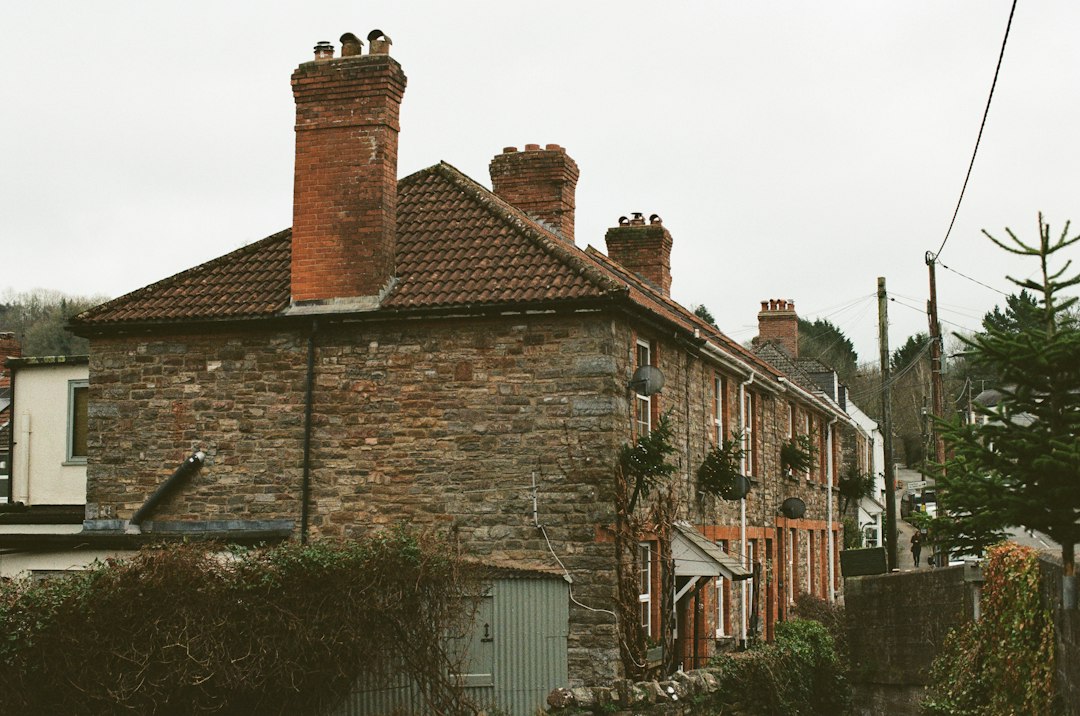
On older Fountain Valley houses we also note what is original and sound. A clinker brick top, a decorative cap or a hand-laid hearth stays where the repair allows, and the quote says plainly where it cannot.
Our published repair prices
These fixes have a set range. Where your chimney lands within it depends on size, material and access.
- Water entry found and stopped
- $600 to $3,600
- Diverter built behind a wide stack
- $480 to $1,080
- Diverter plus fresh metal at the base
- $720 to $1,800
- Wood opening switched over to a gas insert
- $3,000 to $6,000
- Camera pass to confirm the finished work
- $420
- Cover for an open or rusted flue
- Quoted after we measure
No range is printed for crown, liner, damper, chase cover, masonry or stand-alone flashing work; each gets its own written figure once the chimney has been seen.
Repair cost questions
What sets the cap price?
A plain single-flue cap on a one-story house is the simplest job. A custom cap spanning several flues on a large older stack, in copper or with a sealing damper built in, costs the most. Every cap is quoted after we measure.
Is a cricket always needed?
Only behind a chimney wide enough that water and debris sit against its uphill face. Narrow stacks rarely need one.
How do I show a buyer or lender the work was done?
Each fix is photographed before and after. If a record of the flue itself is wanted, a camera pass after the work shows the chimney as it now stands.
Can the work be split up?
Yes. Every item has its own line, and we mark the ones that affect safety so those can go first.
Do you match old brick on an older house?
We try. Salvaged brick and tinted mortar get close on most older chimneys, and the quote says so if a match is not possible.
Holding a report you need priced?
Describe the findings on the contact page, or ask for a Level 2 if the report is from an older visit. We send back the prices we publish and arrange a look for the rest.
Call (657) 233-4542