
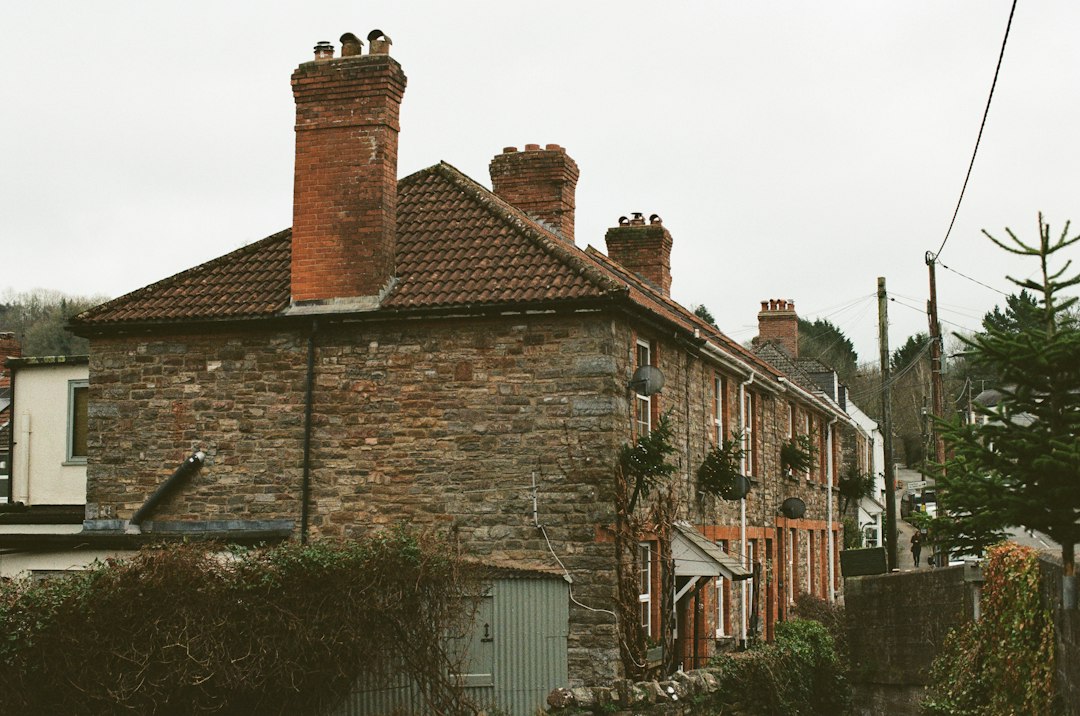
Bring an Old Fireplace Back Into Safe Use
About Your House
Give the street, a rough build year and why fireplace repair came to mind. We reply with next steps.
The Job on an Older Chimney
An original fireplace is often part of why someone bought the house, so our repairs keep its face as it is and fix what sits behind it. That can mean relaying firebrick in refractory mortar, freeing or replacing a damper rusted solid, parging a stepped smoke chamber, or closing a crack in the hearth so embers have nowhere to lodge. Every job is written up and priced first, then test-fired with you in the room.
Where Original Fireplaces Wear Out
A fireplace built eighty or a hundred years ago has taken more fires than anyone could count, and the wear shows up in the same few places on almost every one. The back wall of the firebox takes the most heat, so its bricks crack and its joints burn hollow first. The floor of the firebox, where logs are dropped and grates are dragged, loses its surface and cracks next. The front hearth settles away from the face over time, especially on raised hearths built over a wood frame, and a gap opens where an ember can drop out of sight. Above the opening, the steel lintel that holds up the face brick can rust and swell, pushing the brick into a crack that runs up the wall. And at the throat, the damper often seized years ago, either rusted shut or rusted open. Each of these is repairable on its own, and in most older fireplaces we find two or three of them together.
The repair matches the part. Cracked or loose firebricks come out and new ones go back with refractory mortar, the heat-rated mix made for a firebox, not ordinary mortar that crumbles in a few seasons. Where a back wall has failed across most of its face, we rebuild the lining as a whole rather than patching a dozen spots. A settled hearth is reset on a sound base, and if the original tile or brick can be lifted and reused we do that, because matching a 1920s glazed tile is not always possible. A rusted lintel is cleaned and treated or replaced, and the cracked face is repointed once it is supported again. Dampers are freed and repaired where the plate and frame are sound, and replaced where they are not. Each repair is listed with its own price in the written scope, so you can see which fixes are about safety and which are about looks.
Smoke in the Room and Other Old Fireplace Habits
Many older fireplaces were designed for looks first. A wide, shallow opening shows off the fire and the brickwork, but it gives the smoke a short path out into the room. Add a tall, cold chimney that takes a while to warm up, a modern house that is far tighter than it used to be, and a kitchen fan running down the hall, and the result is a fireplace that smokes when it is first lit. The fixes are often small. A metal smoke guard fixed across the top of the opening lowers it enough to change how the smoke rolls. A damper that only opens halfway gets freed so it opens fully. Opening a window a crack for the first few minutes helps a house that is short of air. For chimneys that are simply too short for the roof around them, a taller flue or a different cap may be the answer, and we will tell you which is likely before you commit to anything.
Some repairs are about matching history rather than safety. Owners in Santa Ana with Craftsman houses often want clinker brick or a period tile kept, and owners of Spanish revival homes may have a plaster face that has cracked over the years. We work to keep what is original where it is sound, replace only what has failed and say plainly when an exact match will not be possible. Where a fireplace has been converted to gas, the repair also covers the burner, the gas line and the damper clamp that holds it open. Mid-century metal fireboxes are a different case: if the steel has burned through, it usually cannot be patched, and the honest options become a sealed insert or a new listed unit. Book through the contact page with a short description of the problem, how often the fireplace is used and what the face is made of.
What You Can Expect From Barclay Chimney Group
Materials First
Mortar, brick and tile are read before any repair is chosen
Original Kept
Sound brick and period details stay where they are
Price on Paper
Every repair carries a written figure before work
Photos Both Ways
Before and after pictures go into your report
Where we offer fireplace repair
Pick a place to read about the houses there, their usual age and what that means for this work.
CA
Fireplace Repair in Fountain Valley
Just 1% of houses here are older than 1950, so a historic brick stack is a rare find on these streets. What deserves care instead is the first-owner hearth and damper of a 1970s house, kept working instead of torn out.
Open this pageCA
Fireplace Repair in Westminster
Ranch houses on regular lots fill most streets, and plenty still keep the fireplace the builder gave them. A Level 2 inspection here reads that firebox, damper and flue together, as the house intended, before any repair gets named.
Open this pageCA
Fireplace Repair in Costa Mesa
Only 39% of units stand detached, and many rebuilds went to gas. That leaves the surviving brick hearths of older houses worth guarding, so we repair their joints and firebox panels before anyone talks of removal.
Open this pageCA
Fireplace Repair in Santa Ana
In Floral Park and the older blocks, 1920s and 1930s revival houses still stand on their original brick chimneys. Those flues were laid for open wood fires, so our Level 2 inspection asks what the old liner and damper can take today.
Open this pageMore Services
Chimney Sweep
Old clay flues brushed with a head cut to the tile, the smoke shelf emptied, and any chipped liner we uncover noted.
Details →Chimney Inspection
A Level 1 look over the reachable parts of an older chimney, with brick, crown and damper photographed for your records.
Details →Chimney Repair
Repairs on aging chimneys, from a loose top course to a split flue tile, planned around the brick and mortar already there.
Details →Fireplace Inspection
A hearth-level check for original fireplaces: firebrick, damper, smoke chamber and wood trim older builders set too close.
Details →Chimney Level 2 Inspection
A recorded camera pass up an older flue, with roof and framing checks, for sales, quakes, fires and appliance changes.
Details →Chimney Cap Installation
A cap sized to an old flue, or a custom cover spanning two, to keep storms off clay tile and embers off the roof.
Details →Chimney Flashing Repair
Old tar patches peeled back, then new step and counter flashing set into a cut joint where the roof meets the brick.
Details →Chimney Masonry Repair
Repointing, brick swaps and top-course work on older chimneys, with mortar soft enough to suit the original brick.
Details →Chimney Rebuilds
When an old stack is past repointing, the failed section is rebuilt and relined while keeping the look of the house.
Details →Fireplace Cleaning
A room-side clean of an original firebox, smoke shelf and doors, done slowly enough to spot what decades of fires have worn.
Details →Gas Fireplace Cleaning
Gas sets in older masonry fireplaces cleaned, ceramic logs returned to their marks, and the damper stop confirmed.
Details →Gas Fireplace Repair
Gas units and log sets in older homes traced with a meter, from a weak pilot to a valve that refuses to open.
Details →Fireplace Remodel
Refacing and hearth work that respects an older fireplace's period, with flue and clearances checked before any tile is chosen.
Details →Fireplace Inserts
An insert set into an old masonry firebox with a full-height liner, so a drafty original fireplace can warm the room.
Details →Pellet Stove Repair
Pellet stoves added to older homes, serviced when feed, flame or fans misbehave, with the vent run looked at too.
Details →Wood Stove Repair
Wood stoves in older houses kept sealed and drawing: gaskets, baffles, firebrick and the pipe into an old chimney.
Details →Gas Logs
A gas log set fitted to an original fireplace, with the burner matched to the box and the damper set for venting.
Details →Chimney Seismic Retrofit
Unreinforced brick chimneys on older houses tied back or rebuilt lighter, so a strong quake has less to throw.
Details →Chimney Crown Repair
Crowns on older chimneys, often just troweled mortar, repaired or recast so rain runs off instead of into the brick.
Details →Dryer Vent Cleaning
Lint cleared from long or added-on dryer ducts, common in older houses where the laundry moved during a remodel.
Details →Chimney Liner Installation
A stainless liner run inside a cracked or missing clay flue, common in older chimneys, sized to the fireplace or appliance.
Details →Chimney Leak Repair
Water traced on older chimneys through crown, flashing and brick, then repaired at the point it actually enters.
Details →Chimney Waterproofing
Old brick treated with a repellent that lets it breathe, after open joints and the crown have been dealt with.
Details →Chimney Damper Repair
Old cast-iron throat dampers freed, rebuilt or replaced, or retired in favor of a top-mounted damper on a gasket.
Details →Chimney Chase Cover
Rusted metal tops on framed chimneys replaced with a stainless cover made to measure, common on later additions.
Details →