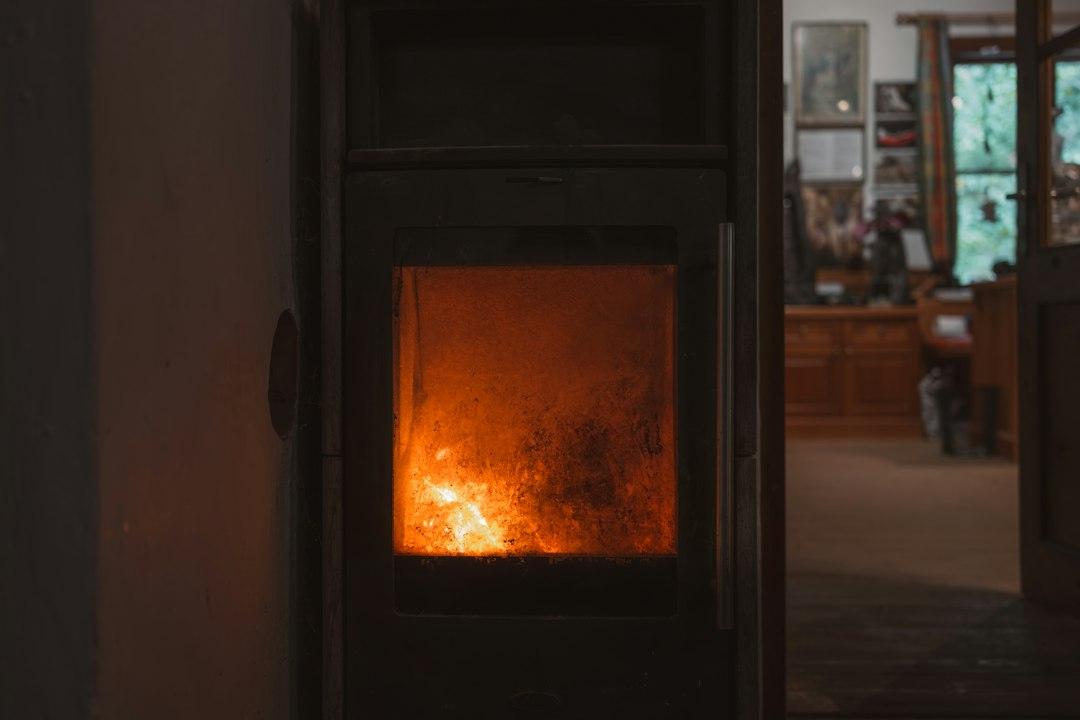
An original fireplace is one of the few parts of an older house that still works the way it did the day the house was finished. That is a reason to repair it carefully rather than quickly. Owners in Fountain Valley call Barclay Chimney Group when the firebox brick has begun to crumble, the hearth has cracked, or the damper fights them every time they light a fire. This post is about choosing who does that work and what a sound quote for it looks like.
What usually needs fixing in an older fireplace
The repairs we write most often on fireplaces built before the 1980s:
- Firebox brick and joints. The inner box takes the flame directly. Over decades the joints wash out and single bricks spall or crack. Firebrick wants a refractory mortar, not ordinary masonry mortar.
- The hearth. Cracks in the slab in front of the opening, or a hearth that has dropped away from the firebox, leave a gap where a hot coal can reach the wood below.
- The damper. Rusted hinges, a warped plate, or a handle that no longer moves anything.
- The face and surround. Loose tile, brick or stone around the opening, often from heat and old adhesive giving out.
- The smoke chamber. The space above the damper, often rough and stepped on older fireplaces, where smoke slows down and soot gathers.
Each of these is covered in more depth on our fireplace repair page.
Five things to put to a fireplace contractor
- Will you look up the flue before you price the firebox? Repairing the firebox under a cracked flue fixes the wrong end first.
- What mortar goes in the firebox, and what on the face? The answer should name two different products.
- Will you keep the original brick or tile where it is sound? Tearing out and replacing is easier for the contractor. On an older house, the original face is often what gives the room its character.
- What happens if you find more once it is open? You want someone who stops, shows you and writes a revised figure, not someone who carries on and adds it to the bill.
- Do you light a fire at the end? A repair is finished when the fireplace draws and the smoke goes up, not when the mortar is in.
Keeping the character of the fireplace
Older fireplaces come in styles you cannot buy new: clinker brick, hand-set tile, a plaster arch, a raised hearth in a shade of brick nobody fires anymore. When we repair these, we save every piece that is sound and match the rest from salvage where we can. Where a match cannot be found, we say so before work starts and lay out the choices.
It is also why we push back on repairs that are only cosmetic. Paint over cracked firebrick, or a new face glued over a loose one, hides the fault and makes the real repair harder later.
How the price is built
Fireplace repair swings more than most of our work, so we do not publish one figure for it. The price follows:
- How much of the firebox has to be relaid, and whether the back wall is part of it
- Whether the hearth is patched or reset
- The damper: freed and adjusted, refitted, or swapped for a sealing top damper
- The material on the face, and how much original material can go back
- What the camera finds in the flue above
Some related work does carry a fixed range. A sweep before the repair is from $450. A Level 1 look at the fireplace is $175, and a Level 2 with the camera through the whole flue is $420. A cap keeps rain off the damper you have just had repaired. It is quoted after we measure. Flue count, cap size and metal decide the price.
The repair itself gets its own written figure after the visit, each part of the job on a separate line so you can choose what to do now.
To get that visit booked, ask for a fireplace repair quote and describe what you notice: brick dust in the firebox, a crack across the hearth, a damper that will not budge.
Repair or convert?
Some owners use the visit to ask whether to repair the wood fireplace or switch it to gas. Both are fair choices. Setting a gas insert into the firebox you already have runs $3,000 to $6,000 installed, and the insert still needs a sound firebox and flue to sit in, so some repair stays on the list either way. Our fireplace inserts page covers what the switch involves.
If you want to keep burning wood in an older fireplace, repair is usually the cheaper path and leaves the room as it was built.
Signs a contractor is a poor fit for an older fireplace
- A price given over the phone without seeing the fireplace
- A plan to replace the whole face before checking whether it is loose
- The same mortar for the firebox and the face
- No mention of the flue at all
- No interest in what is original
None of these makes someone a bad contractor for a new house. They do suggest the person has not worked much on older ones.
What you receive after the visit
A written report with photos of the firebox, hearth, damper and face, a note on what the camera or light showed in the flue, and the repair priced item by item. If the fireplace is safe to use while you decide, the report says so. If it is not, it says that too, plainly.
For the damper in particular, our post on repairing or replacing an original damper goes further into the options.
Booking a repair visit
We repair fireplaces in Fountain Valley, Westminster, Costa Mesa, Santa Ana and nearby Orange County towns. When your fireplace is ready for attention, the contact page is where to begin; a short note on what the fire does and how old the house is makes a good first message.
Have an Older Chimney in Mind?
Barclay Chimney Group works from Fountain Valley on older Orange County houses. We read the brick, mortar and tile first, then set out each repair with photos and a written price.