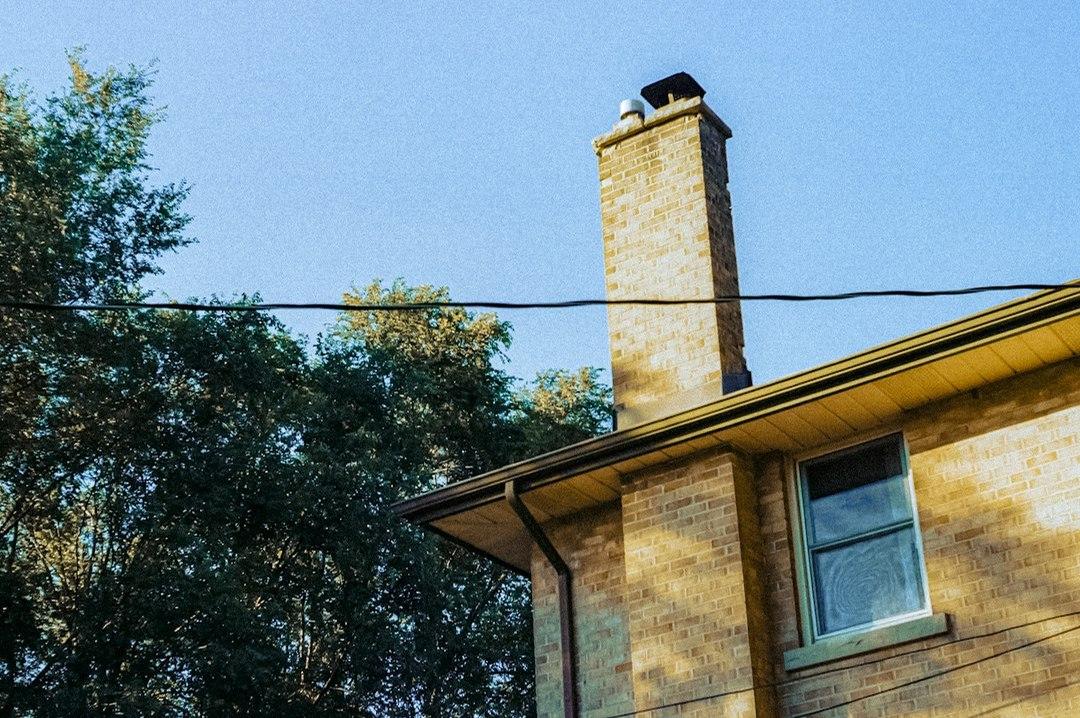
Most masonry bills on an older chimney hang on one fact the owner cannot see from the driveway: how far down the damage goes. Two stacks with the same crack near the top can need a morning of pointing or a rebuild of the upper third. Barclay Chimney Group works on older houses in Fountain Valley and the cities around it, and this post sets out how we reach a masonry price, which parts of it we can name up front and which we only put on paper after seeing the brick.
Why age changes the masonry bill
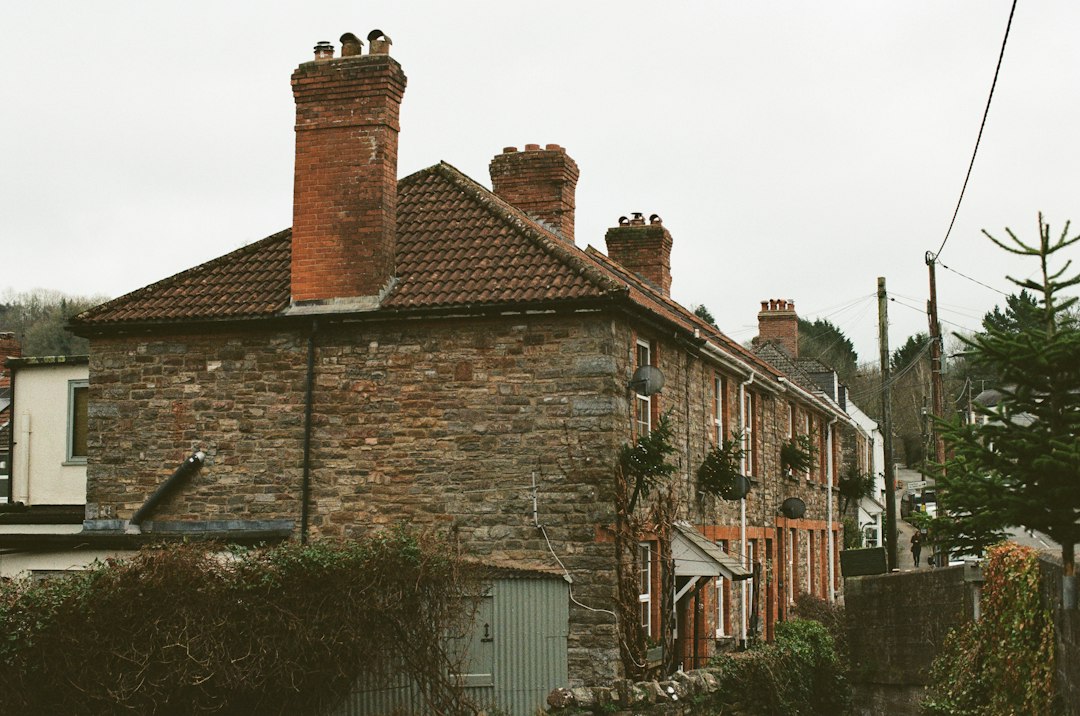
A chimney laid before the middle of the last century was usually set in lime mortar. Lime is soft on purpose. It gives a little as the house moves and lets moisture out of the brick. Patch it with a hard modern cement mix and the new joints end up stronger than the brick beside them, so the next movement cracks the brick instead of the joint. On these chimneys we match the mix to what is already there, which takes more care than a stock bag.
Mid-century chimneys, the kind found on many tract houses across Fountain Valley, are a different case. The mortar is harder, the brick is often a single skin around a block core, and the weak spots sit at the top: a thin smear of mortar where a proper crown belongs, and clay tile that has split where it pokes above the brick.
So the age of the house tells us where to look, and what we find there decides the labor.
The four sizes of masonry job
Nearly every request we get lands in one of these, smallest first:
- Repointing. Worn joints are cut back and refilled. The price follows the area of brick and how high it sits.
- Top course reset. The last few rows under the crown are lifted, cleaned and relaid. Common where rain has worked into the top of the stack for years.
- New crown. The slab on top is broken off and a new one is cast with a proper fall and overhang. See our crown repair page.
- Partial or full rebuild. Brick comes down to a sound level and goes back up with new ties to the house. See chimney rebuilds.
Each step up the list adds staging, debris and roof protection, and that is where a large share of the cost sits.
What we can price today and what we cannot
Some work around an older chimney has a fixed range on our list, because the job looks much the same from one house to the next:
| Work | Price |
|---|---|
| Camera scan of the flue, Level 2 | $420 |
| Visual check, Level 1 | $175 |
| Sweep ahead of masonry work | from $450 |
| Water entry found and stopped | $600 to $3,600 |
A cap set over the flue is quoted after we measure. Masonry itself is not on that list. Repointing a short single-story stack and rebuilding a tall two-flue chimney sit too far apart for one range to mean anything. Once we have seen the brick from the roof and the flue from inside, you get a written figure for the masonry, with the scope spelled out course by course.
That order matters on older houses. Brick that looks tired outside sometimes hides a flue that is perfectly sound, and the reverse happens too. A Level 2 inspection before any masonry figure means the price answers the real problem instead of a guess.
To start, ask for a masonry quote and give us the decade the house went up plus what you have noticed on the chimney: a stain on the ceiling, mortar grit on the roof, a crack visible from the street.
What pushes a masonry price up
- Height and roof pitch. A tall stack on a steep roof needs more staging and more time on the ladder.
- Brick that cannot be matched. Older common brick comes in sizes and shades no longer made. Salvage costs more and takes longer to find.
- Water damage behind the face. Brick that has soaked for years can be worse at the core than it looks on the surface.
- Two or more flues. Each flue adds tile work inside the stack.
- Old patches. An earlier repair in hard cement usually has to come out before the new work can go in.
What keeps it down
- Catching it at the joint stage, before the top courses loosen.
- Doing the crown and cap together, so rain stops getting in from above.
- Pairing masonry with any flashing work on the same roof visit, so staging goes up once.
How we write the masonry quote
The written quote names each item: which courses, which faces, the mortar type, whether the crown is replaced or repaired, and what happens if we open the brick and find more damage than the camera showed. Nothing is added to the job without your signature on a revised line.
On older houses we also list anything original that deserves keeping: a corbelled band, a clinker brick face, a decorative cap. Matching those takes care, and we would rather say so at the start than lose them in a rebuild.
Questions owners ask before they book
Can masonry wait until after winter? Joints that are only worn can usually wait for a dry spell. A loose top course or a crown broken right through should not, because rain and the next shake both work on it.
Is a rebuild always the safer option? No. A sound lower stack with a damaged top is often better kept and repaired. We say which way we lean and why.
Will the new mortar look different? At first, a little. We tint and tool it to sit close to the old joints, and it weathers in.
Do you sweep as well? Yes. A chimney sweep before masonry work lets the camera see the tiles clearly.
Does the city need to be involved? Some larger rebuilds do. If yours is one of them, the quote says so and the work is planned around it.
Next step
If your house in Fountain Valley, Westminster, Costa Mesa or Santa Ana has an older chimney showing its age, our contact page is the place to start: we come out, look at the brick from both ends and write the price down.
Have an Older Chimney in Mind?
Barclay Chimney Group works from Fountain Valley on older Orange County houses. We read the brick, mortar and tile first, then set out each repair with photos and a written price.