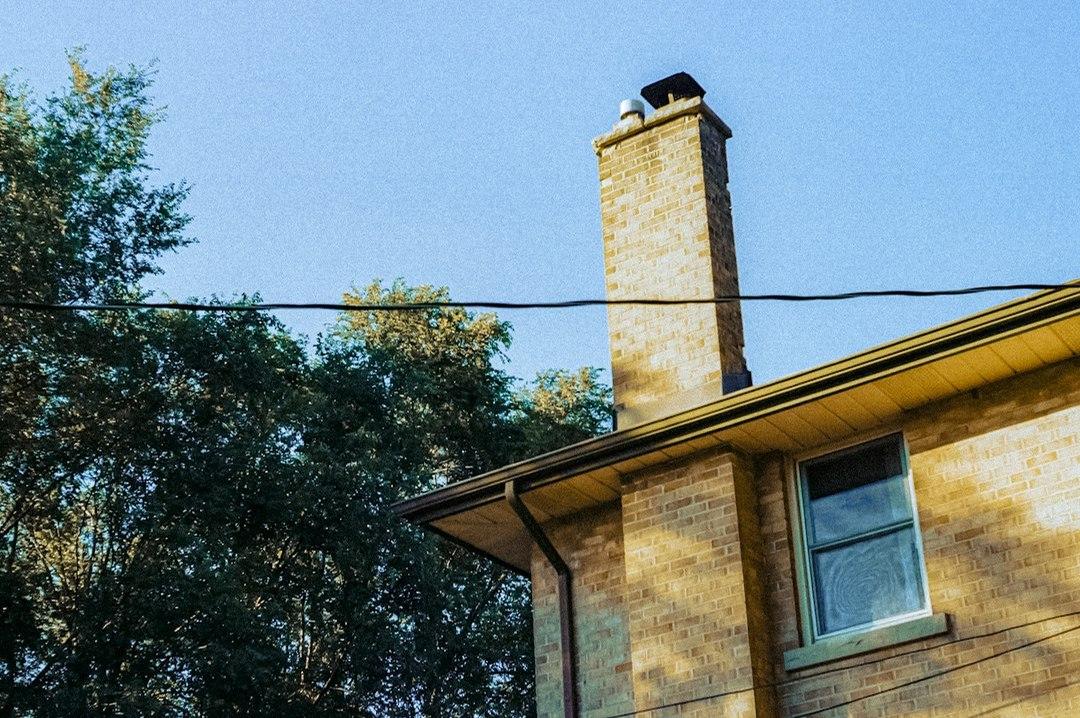
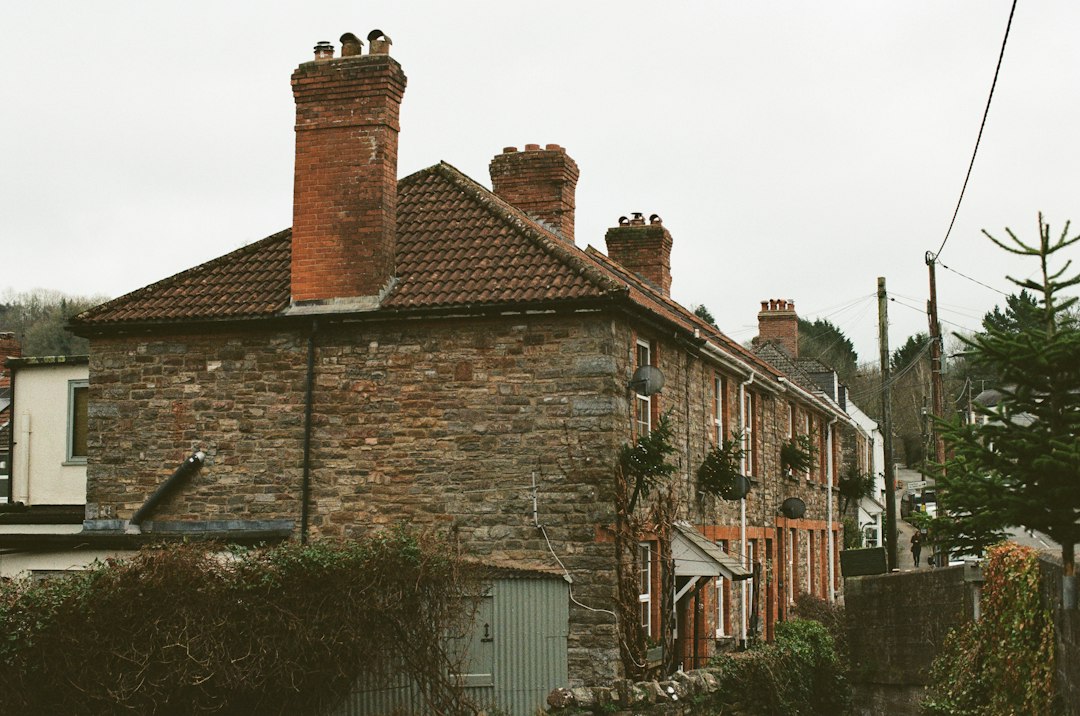
When a camera finds broken tile inside an older chimney, the owner hears two words that sound alike and cost very differently: reline and rebuild. One leaves the brick alone and slides a new flue inside it. The other takes brick down so new tile can be laid. In Fountain Valley, most older chimneys we scan with cracked tile end up relined, but not every one, and the reasons decide which quote you should sign.
What a cracked tile actually means
Clay tile was the standard lining for masonry chimneys through most of the last century. Whole, it handles heat well. Its weak points are the joints between sections and the tile itself when it is heated fast, shaken or soaked. A crack lets hot gas and smoke reach the brick, and on a wood-framed house, past the brick toward the studs and joists nearby.
So the question after a scan is not whether the flue is perfect. It is whether the flue can still carry smoke and heat all the way to the top without letting them out on the way.
Relining: a new flue inside the old one
Relining runs a new liner down the existing flue from the roof. On most older chimneys we use a stainless steel liner sized to the fireplace or appliance, with insulation where the gap to nearby wood calls for it. Some flues suit a cast-in-place liner instead, formed inside the old tile.
Relining makes sense when:
- The brick and the crown are sound, or need only minor work
- The damage is in the tile, not the masonry around it
- The flue path is open enough for a liner to pass
- You plan a gas insert or a stove, which needs a liner sized to it in any case
Relining leaves the outside of the chimney exactly as it is, which matters on an older house where the brick is part of the street face. Our chimney liner installation page covers the work itself.
Rebuilding: when the brick is the problem
A rebuild is the answer when the masonry around the flue can no longer be trusted:
- Brick near the top is loose, leaning or shifted after a quake
- Water has soaked the stack for years and the mortar has gone to sand
- The crown is gone and the top courses have split
- An earlier repair in hard cement has cracked the brick around it
In those cases a new liner would sit inside a stack that still has to come apart. We take down the damaged section, lay new tile or set a liner as the brick goes back up, and finish with a new crown. Details are on our rebuild page.
Sometimes it is both
A common result on older chimneys around Fountain Valley is a split decision: the few feet above the roof are rebuilt, and the flue below is relined. The rebuild deals with the brick that weather and shaking hit hardest. The liner deals with tile inside the house walls that nobody wants to open up. Neither job alone would put the chimney right.
What the decision costs
Liners and rebuilds are not on our fixed price list. Liner length and diameter, insulation, the state of the smoke chamber and how much brick has to come down all move the figure too far for one range to help. You get a written figure for each option the chimney allows, side by side, once we have scanned it.
The figures we can give up front:
| Visit or item | Price |
|---|---|
| Camera scan of the whole flue | $420 |
| Visual look at fireplace and stack | $175 |
| Sweep so the camera can read the tile | from $450 |
| Gas insert fitted to the existing opening | $3,000 to $6,000 |
A top cap once the flue is lined is quoted on site.
The scan comes first because it decides which way the job goes. If the tile is sound and only the top has weathered, you may need neither a liner nor a rebuild, just crown work.
When you are ready for that scan, book the camera inspection and note whether you burn wood, gas or nothing at all, and whether an insert is in your plans.
Questions owners ask
Is a liner a lesser repair than new tile? No. A properly sized liner is a complete flue in its own right, and often the better fit for a fireplace that will take an insert.
Will relining change how the fireplace draws? It can, which is why the liner is sized to the opening or appliance rather than simply to the old flue.
Will a rebuild make the chimney look new? We match brick and mortar color as closely as salvage and tint allow. The new section shows at first and weathers toward the rest.
Do I have to decide on the spot? No. Both options come in writing and you can take your time.
Can I keep using the fireplace until then? The report says whether it is safe to light. If the tile is open near wood, the answer is no until the work is done.
How older houses change the answer
On mid-century tract homes the chimney is often a single flue in a modest stack, and relining is usually straightforward. On older houses with two flues, a corbelled top or a stack with a slight lean, we look harder at the masonry before suggesting a liner, because a liner inside failing brick only moves the problem somewhere else.
For more on what quakes do to older stacks, see our post on whether to brace, shorten or rebuild.
Next step
We scan, reline and rebuild chimneys across Fountain Valley, Westminster, Costa Mesa and Santa Ana. If a report or an inspector has told you the flue is cracked, head to our contact page and we will arrange the scan that settles which of the two you need.
Have an Older Chimney in Mind?
Barclay Chimney Group works from Fountain Valley on older Orange County houses. We read the brick, mortar and tile first, then set out each repair with photos and a written price.