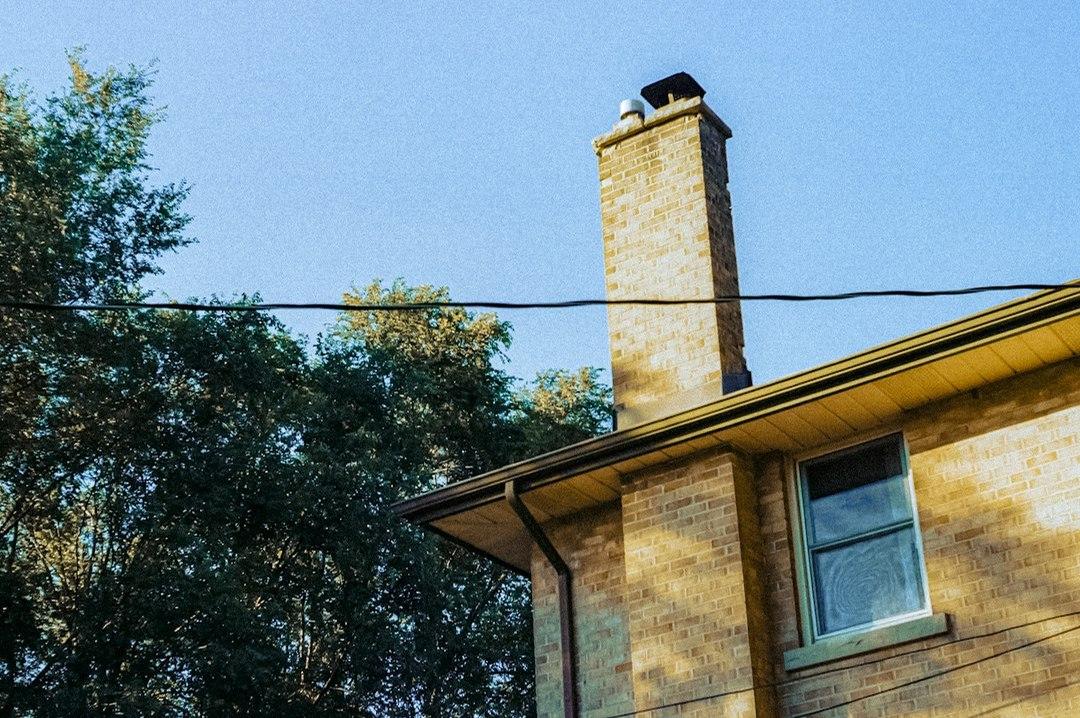
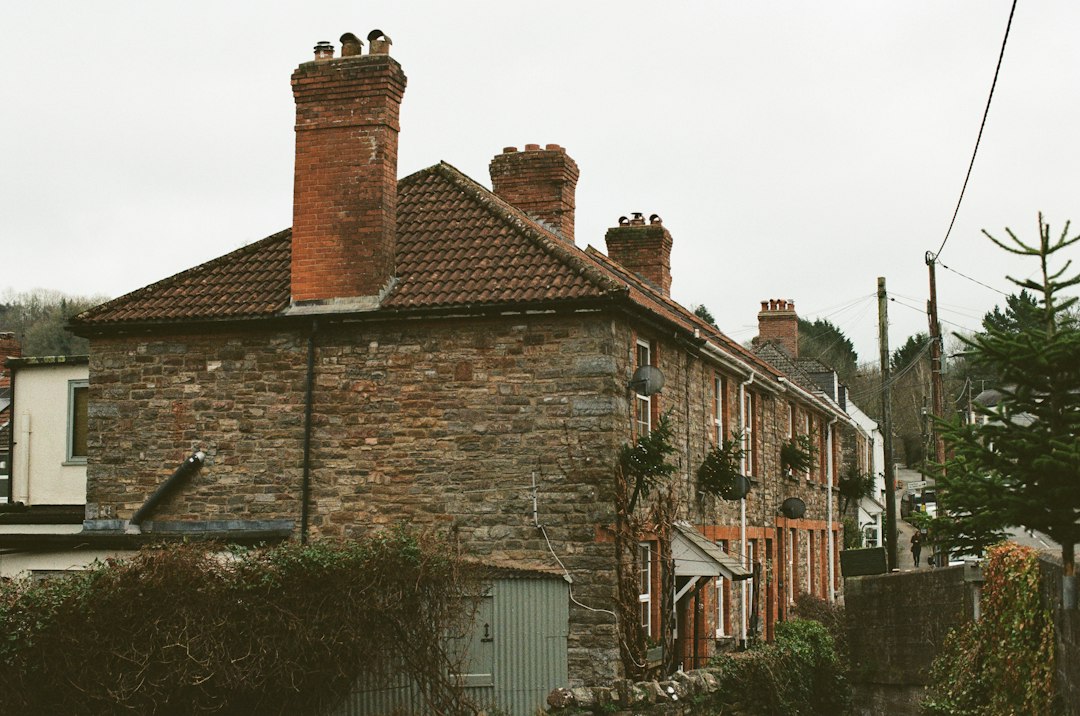
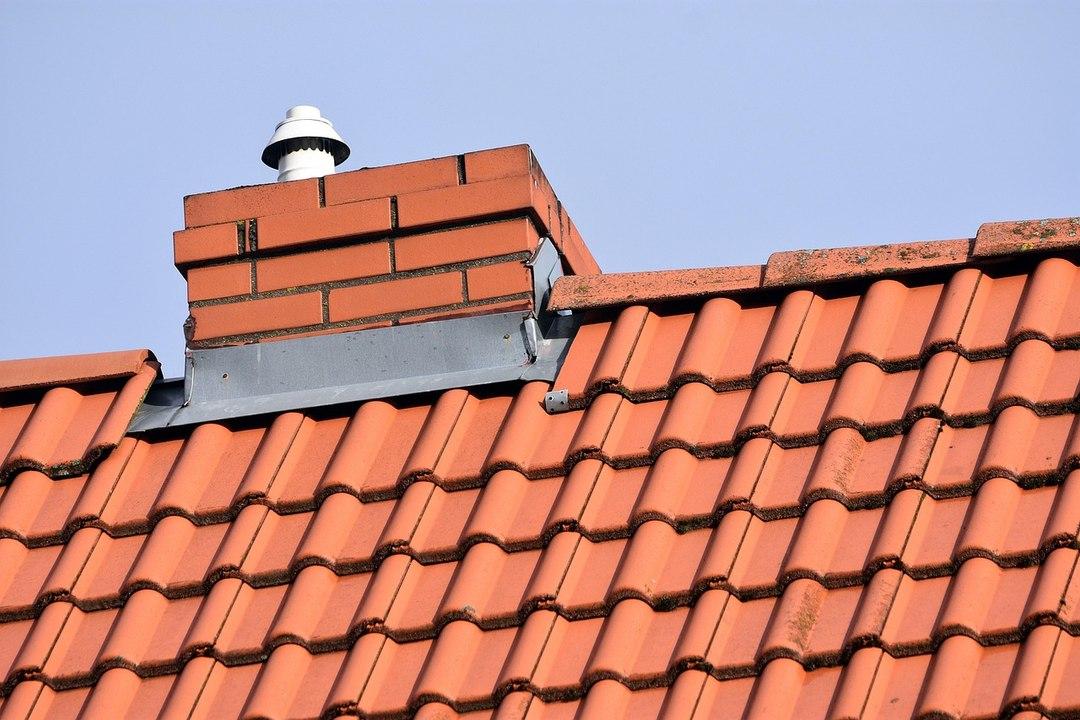
On many older Southern California houses, the brick chimney is the piece that quakes damage first. The stack above the roof has nothing beside it to lean on, and when the house sways, the top of the chimney whips further than the frame below it. Owners in Fountain Valley with older brick stacks tend to ask about this after a small shake reminds them, and the answer comes down to three approaches. This post walks through them and explains how Barclay Chimney Group prices the work.
Why older chimneys are at risk
Many older brick chimneys in the region were built with little steel inside and only light ties to the house framing, often in a soft mortar. When the 1994 quake struck, crews across Southern California found stacks that had cracked at the roofline, twisted on their base or dropped onto roofs and yards. The lesson for any older brick chimney is the same wherever it stands: the section above the roof is the part at risk, and the joint where it leaves the roof is where it tends to break.
Inside the flue, past shaking often leaves its own record. Tile that has cracked in a ring, or joints that have opened on one side, show how the stack has moved before.
Option one: bracing
A brace ties the upper part of the stack back to the roof structure so the chimney and the house move as one. Typically it is a steel angle or plate fixed to the brick and anchored into roof framing under the sheathing. Bracing suits chimneys whose brick and mortar are sound and whose stack is not too tall.
What bracing cannot do is fix bad masonry. If the mortar has turned to powder, a brace only holds up a stack that will still come apart around it.
Option two: tying the stack to the floors
Steel bands go around the chimney where it lines up with floor and ceiling framing, and are bolted back into the joists. They are often paired with bracing above the roof. Most of this work is hidden, done from the attic and on the outside face, and it suits chimneys that run up an outside wall.
Ties at the floors keep the lower chimney from pulling away from the house; bracing above the roof deals with the free-standing top. On a tall stack the two together cover more than either alone.
Option three: taking it down and building back lighter
The third approach removes the brick above the roofline, or further, and replaces it. Some owners rebuild in brick with steel reinforcing and proper ties. Others swap the top for a lighter framed chase finished to match the house, with a metal flue inside. Some take the stack down below the roof and retire the fireplace for good.
This is the most work, but on a chimney with loose top courses, soaked mortar or an old crack at the roofline, it is often the only option that holds up. Bracing a stack in that state only gives the problem something to hang from.
Choosing between them
We weigh four things:
- The masonry. Joints, brick, crown and any earlier patches.
- Height above the roof. A taller stack carries more load when it swings.
- The flue inside. A camera scan shows whether tile has already cracked, which tells us how the chimney has moved in past quakes.
- How you use the fireplace. One you light often needs a working flue whatever you choose. One you never light opens more options.
How the work is priced
Seismic work is not on our fixed price list, because the three options differ so much in scope and every chimney is a different height and shape. After the inspection, you get a written figure for each option that suits your chimney, side by side, with what each one includes.
The inspection that starts it has a published price. A Level 2 with a video scan is $420, and that is the level we suggest for a seismic question, because tile damage inside the flue is the clearest record of how the stack has moved. If the chimney passes and only the top needs protecting, a cap is quoted after we measure the flue.
To get the options for your chimney written out, ask for a seismic quote and mention roughly how tall the stack stands above the roof and whether you still light the fireplace.
Keeping an older chimney's look
On older houses the chimney is part of the street face. When we rebuild, we use salvaged or matched brick, tint the mortar and put back details such as a corbelled top where the house had one. When a framed chase is the better answer, we finish it to sit quietly with the house rather than stand out. More on the work is on our seismic retrofit page, and the masonry side is on our chimney masonry repair page.
Questions we hear
Will the work stop me using the fireplace? Bracing and floor ties do not. A rebuild puts the fireplace out of use until the new work has cured and been checked.
Can I brace now and rebuild later? Only if the masonry is sound enough to brace today. If it is not, the rebuild comes first.
Will my insurer want a report? Some owners are asked for one. Ours is dated, with photos and the scan, and you decide who receives a copy.
Does a cracked flue mean the whole chimney must come down? No. Cracked tile on its own is often handled with a liner. Our post on whether to reline or rebuild covers that choice.
Getting started
We look at older chimneys across Fountain Valley, Westminster, Costa Mesa and Santa Ana. If your brick stack is one of the older ones on the street, our contact page is the way to arrange the Level 2 that opens the conversation.
Have an Older Chimney in Mind?
Barclay Chimney Group works from Fountain Valley on older Orange County houses. We read the brick, mortar and tile first, then set out each repair with photos and a written price.